

This blog will guide you with the process of resealing a windshield, why it’s important, the signs your windshield needs resealing, and whether you should DIY or get professional help.
Windshield Leak Repair: The Complete Guide to Causes, DIY Fixes & Costs
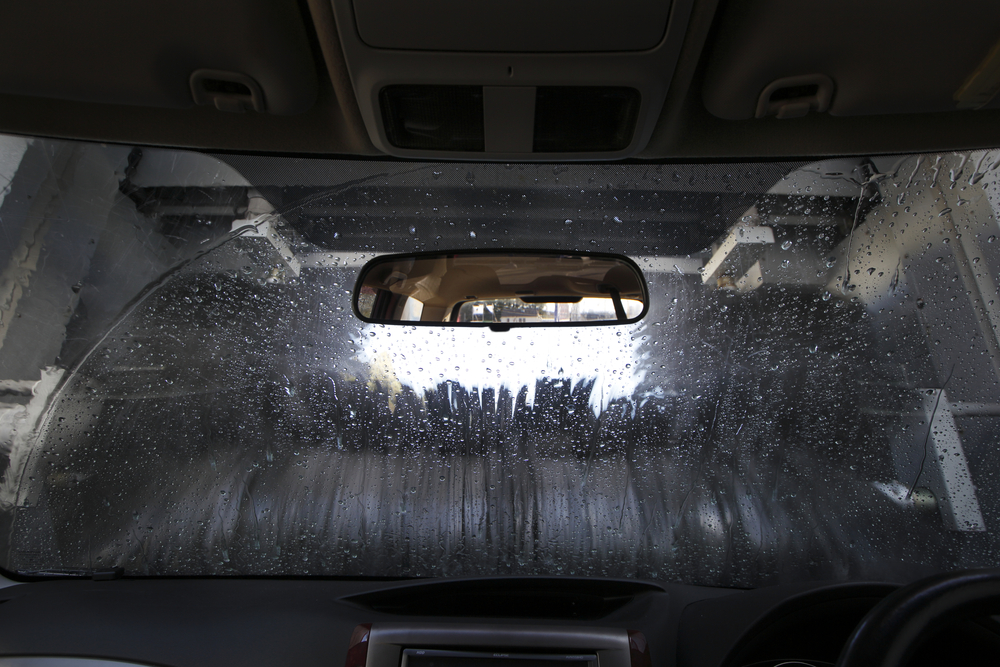
You washed your car or drove through a rainstorm, and now something feels off… A musty smell, a damp floor mat, a dashboard that wasn’t quite dry this morning. A leaking windshield is easy to miss at first, and even easier to put off. But water finding its way into your cabin never fixes itself. It rusts the frame, feeds mold, ruins electronics, and quietly turns a $50 repair into a $500 problem.
This guide covers everything you need to know about windshield leak repair: how to find the leak, whether you can fix it yourself, what it costs, and when it’s time to call a professional.
5 Signs Your Windshield Is Leaking
Windshield leaks are rarely dramatic. You won’t see water pouring in; instead, they show up as subtle, creeping signs that are easy to dismiss.
1] Musty or damp smell inside the car. This is usually the first warning. Trapped moisture creates a perfect environment for mold and mildew, especially under the carpeting where you can’t see it.
2] Windows fogging up from the inside. Excess moisture in the cabin condenses on the glass. If your windows fog up far more than usual, especially on the inside, that moisture is coming from somewhere.
3] Wet carpet or floor mats near the windshield. Water from a windshield leak travels. It can run down the A-pillars, pool under the dashboard, and soak into the carpet well before you notice anything near the glass itself.
4] Rust stains or water discoloration on the dash or A-pillars. These brownish streaks are signs of a leak that has been happening for a while.
5] Visible gaps or cracked trim around the windshield edge. Sometimes the cause is visible if you know where to look — separated molding, a dried-out seal, or a hairline gap at the glass edge.
If you’re seeing any of these, it’s time to find the source.
Why Does a Windshield Leak?
Modern windshields are bonded to the car frame using a thick, flexible urethane adhesive. When this seal is intact, it’s watertight and structurally strong. When it fails, water gets in. There are three common reasons it fails.
1. Poor or Rushed Installation
This is the most common cause. If your windshield was replaced in the past, the technician may have used low-quality adhesive, applied too thin a bead, failed to properly clean the pinch weld before bonding, or rushed the cure time. Any of these shortcuts creates gaps that allow water in.
2. Age and Weathering
Over years of exposure to UV rays, temperature swings, and road vibration, even a factory-original seal can shrink, crack, or harden. This can happen on vehicles that have never been in an accident or had a windshield replacement. Rubber gaskets and molding strips around the glass are also vulnerable to this kind of slow deterioration.
3. Physical Damage or Frame Flex
A significant pothole, a minor collision, or even a crack that runs to the edge of the glass can stress the adhesive bond and open a pathway for water. Sometimes the seal itself is fine, but a bent or shifted frame means the glass no longer sits flush.
How to Find the Exact Source of Your Windshield Leak
Before you can fix a leak, you need to find it. Don’t assume the wettest area of your carpet is closest to the leak, water travels along channels under carpet and behind trim, often ending up far from where it entered.
There are two reliable ways to locate a windshield leak at home.
The Water Spray Test
You’ll need a garden hose and a helper inside the car. Dry the car’s interior as best you can first. Then, starting at the bottom of the windshield, have your helper watch for moisture inside while you spray water on one section of the windshield perimeter at a time, work your way up slowly, one hand-width section per pass. When your helper spots moisture appearing, you’ve found the general area.
The Soap Bubble Test
This method is especially useful if you’re also noticing wind noise, because air leaks and water leaks often come from the same gap. Mix dish soap with water and apply it generously around the entire perimeter of the windshield using a sponge or wash mitt. Close all the doors and windows, then start the car and turn the heater on its highest defrost setting. The pressurized air inside will push through any gap, and wherever it does, the soap will bubble. No bubbles means the seal is holding; bubbles mark the leak.
Once you’ve located the source, you can decide how to address it.
Can You Fix a Windshield Leak Yourself?
For very minor leaks, a small gap in the trim, a tiny dried-out section of the outer rubber molding, yes, a DIY fix is possible. Here’s how to approach it:
What you’ll need:
- Automotive urethane sealant or flowable silicone windshield sealant (NOT household silicone caulk)
- Masking tape
- Isopropyl alcohol and a clean cloth
- A plastic or wooden applicator
Do not use household silicone. Standard hardware store silicone expands and contracts with temperature changes, doesn’t bond properly to glass or painted metal, and once applied, prevents proper urethane adhesion if you need a professional repair later. Use only automotive-grade windshield sealant, available at auto parts stores for around $8–$15.
Step-by-step:
- Clean the area around the leak thoroughly with isopropyl alcohol and let it dry completely.
- Apply masking tape on the glass surface adjacent to where you’ll work, to protect the glass from slips.
- If there is exterior molding or trim covering the gap, carefully lift or remove it to access the seal underneath.
- Apply a thin, even bead of automotive sealant directly into the gap between the glass edge and the body of the car, as close to the joint as possible. Use a plastic applicator — never metal, which can scratch the glass.
- Smooth the bead with a damp finger or applicator and remove excess sealant before it dries.
- Let the sealant cure for the time specified on the product label — typically 24 hours. Do not wash the car or expose the area to water during this time.
- Remove the masking tape and replace any trim you removed.
After curing, repeat the soap bubble test to confirm the seal is holding.
When DIY Isn't Enough
A DIY windshield leak repair works for surface gaps like a separated molding, a dried-out edge of rubber trim. But it won’t fix:
- A failed urethane bond beneath the glass, where water is entering through the adhesive bed itself
- A cracked or rusted pinch weld (the metal frame the windshield sits in)
- Leaks caused by an improperly installed windshield that needs to be removed and reset
- Any situation where the glass itself has a crack running to the edge
In these cases, applying sealant over the top of the problem actually makes things worse. It traps moisture inside the existing gap, accelerating rust and mold growth, and it adds extra labor cost when a professional eventually has to scrape it all off to do the job correctly.
The windshield also contributes up to 45% of a vehicle’s structural rigidity in a frontal crash and helps prevent roof collapse in a rollover. A compromised adhesive seal is a safety issue, not just a comfort one.
How Much Does Windshield Leak Repair Cost?
Costs vary based on what’s causing the leak:
| Repair Type | Estimated Cost | DIY Possible? |
|---|---|---|
| Exterior sealant / trim gap | $8 – $20 (materials only) | Yes |
| Windshield resealing (professional) | $100 – $250 | Not recommended |
| Windshield removal and re-installation | $200 – $400+ | No |
| Full windshield replacement | $200 – $600+ (varies by vehicle) | No |
If your leak is the result of a faulty installation from a previous repair, many reputable shops will fix it at no charge; it’s worth calling the shop that installed it first.
If you have comprehensive auto insurance, windshield-related work is often covered with a small deductible or no deductible at all, depending on your policy. Check with your insurer before paying out of pocket.
How GlassFixit Repairs a Leaking Windshield
At GlassFixit Auto Glass in Santa Clara, we approach windshield leak repair with a process designed to find the real cause; not just mask it.
Diagnosis. We use a combination of water spray and air pressure testing to pinpoint the exact source of the leak, including leaks that have traveled from their origin point.
Assessment. We determine whether the issue can be resolved with resealing, or whether the windshield needs to be removed and reset. We’ll always give you an honest recommendation.
Frame preparation. If the windshield needs to come out, we clean the pinch weld completely, removing all old adhesive, rust, and debris. This step is critical; new adhesive won’t bond correctly to a dirty or corroded surface.
OEM-grade re-sealing. We apply a continuous bead of high-quality urethane adhesive meeting OEM standards, then carefully reset the glass.
Final test. We verify the repair with a water test before returning your vehicle.
Our certified technicians serve the Santa Clara area and surrounding communities. We also offer mobile service, we can come to you.
📍 Santa Clara Office: 1250 Norman Ave, Santa Clara, CA 95054
📞 Phone: +1 408-564-0419
🕒 Hours: Monday–Friday: 8am – 5pm | Saturday: 8am – 3pm
Frequently Asked Questions
Can I drive my car with a leaking windshield?
You can drive it, but you shouldn’t for long. A leaking windshield allows water into the cabin, which can damage electronics, soak insulation, cause mold, and accelerate rust in the frame. It also indicates a compromised seal that may affect the windshield’s structural contribution in a crash. Get it inspected as soon as possible.
How do I know if my windshield seal is bad?
Common signs of a bad windshield seal include: a musty or mildew smell in the cabin, moisture or fog on the inside of the glass, wet carpets near the base of the windshield, visible gaps or cracks in the rubber trim around the glass, and wind noise that wasn’t there before.
How long does windshield sealant take to dry?
Automotive urethane windshield sealant typically takes 24 hours to fully cure. Avoid washing the car or exposing the sealed area to water during this period for the best result.
What sealant should I use for windshield leak repair?
Use an automotive grade urethane or flowable silicone windshield sealant, products specifically designed for auto glass. Do not use standard household silicone caulk, which doesn’t bond correctly to auto glass or painted metal and can prevent proper professional repairs later.
How much does it cost to fix a leaking windshield?
DIY sealant for a minor exterior gap costs $8–$20 in materials. Professional resealing runs $100–$250 depending on the extent of the issue. If the windshield needs to be removed and re-set, expect $200–$400 or more. Check your auto insurance, windshield repairs are often covered under comprehensive policies.
Does a windshield leak mean I need a new windshield?
Not necessarily. Many leaks can be repaired by resealing the existing windshield. Replacement is generally only needed if the glass itself is cracked, chipped in a way that’s not repairable, or if the windshield was incorrectly sized or fitted. A professional inspection will clarify which option applies to your situation.
Popular Searches
Audi Windshield Replacement in Santa Clara County
Auto Car Window Tinting in Santa Clara County
Auto Glass Repair and Replacement in Santa Clara County
Auto Glass Repair in Santa Clara County
BMW Windshield Chip Repair in Santa Clara County
BMW Windshield Repair and Replacement Services in Santa Clara County
Car Window Repair in santa clara
Car Window Repair in Santa Clara County
Commercial truck windshield replacement
Dodge Windshield Repair and Replacement Services in Santa Clara County
Dodge Windshield Replacement in Santa Clara County
Glass repairs for cars near me
Honda pilot windshield replacement cost
Honda Windshield Repair and Replacement Services in Santa Clara County
Honda Windshield Replacement in Santa Clara County
Hyundai Tucson windshield replacement
Hyundai Windshield Repair and Replacement Services in Santa Clara County
Hyundai Windshield Replacement in Santa Clara County
Jeep Windshield Repair and Replacement Services in Santa Clara County
Jeep Wrangler Windshield Replacement in Santa Clara County
Kia Windshield Repair and Replacement Services in Santa Clara County
Kia Windshield Replacement in Santa Clara County
Mobile Auto Glass in Santa Clara County
Mobile Auto Glass Repair in Santa Clara County
Mobile glass replacement near me
Same day windshield repair near me
Toyota Camry side mirror glass replacement
Windshield Calibration in Santa Clara County
Windshield Chip Repair in Santa Clara County
Windshield chip repair near me
Windshield Repair and Replacement Services in Santa Clara County
Windshield Repair and Replacement Services Near Me
Windshield Repair in Santa Clara County
Windshield repair service near me
Windshield Replacement Near Me
Windshield Replacement Services in Santa Clara County
Read more Articles

Understanding the Importance of Your Car Windshield Rubber Seal
Unfortunately, chips, cracks, and other damages to your auto glass are inevitable. When faced with such issues, it's crucial to find a reliable mobile auto glass repair company that can...